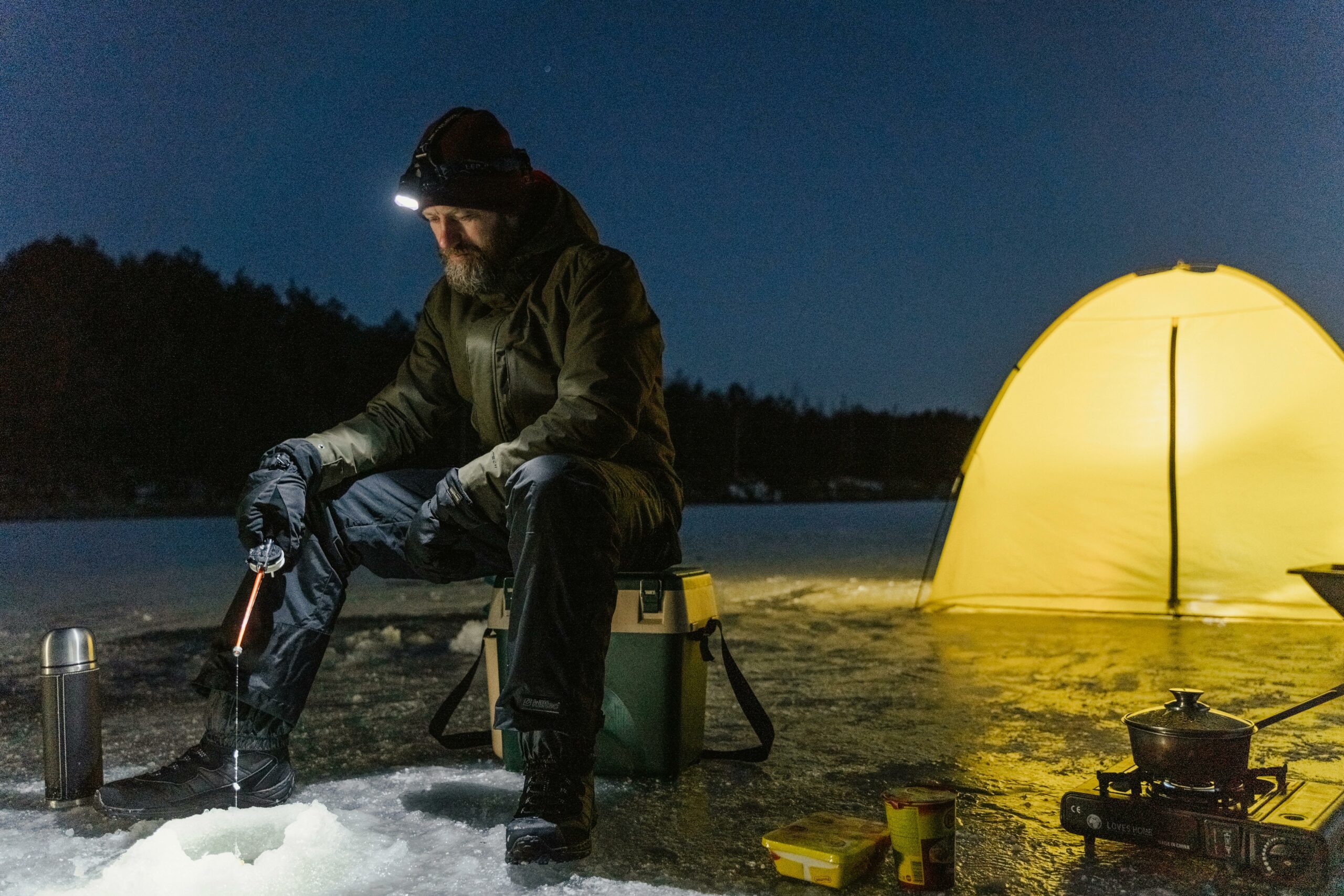
Camping or Cabin at Glacier Bay: Which Accommodation to Choose for an Unforgettable Stay in Alaska?
Let’s be honest – when you’re planning a trip to Glacier Bay National Park in Alaska, the question of where to sleep is almost as important as the destination itself. You’re not going to Paris here. You’re heading into one of the most remote, raw, and breathtaking corners of North America. The infrastructure is minimal, the wildlife is everywhere, and the choices you make about accommodation will genuinely shape your entire experience.
So : camping or chalet ? Tent or cozy cabin ? This is the question. And the answer, frankly, depends on who you are as a traveler. If you’re still figuring out what style of outdoor stay suits you best, it’s worth browsing something like www.camping-chalet.net to get a feel for the range of options that exist because sleeping “in nature” covers a very wide spectrum.
Glacier Bay : What You’re Actually Dealing With
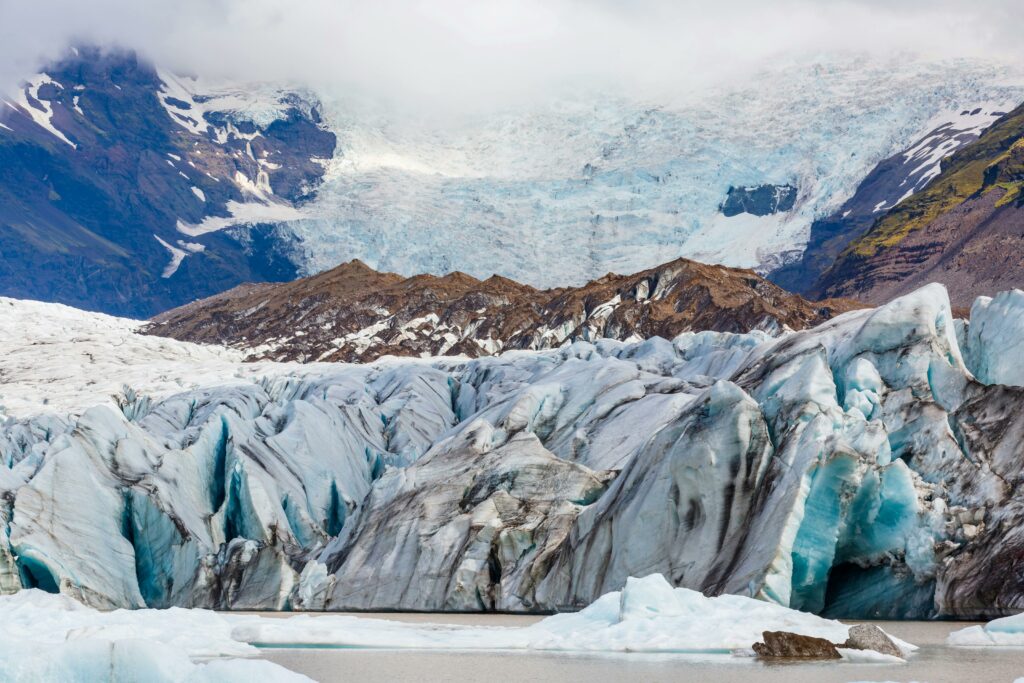 First, a quick reality check. Glacier Bay National Park is located in southeastern Alaska, accessible only by boat or small plane from Juneau. There are no roads leading into the park. No drive-up campgrounds, no corner stores, no gas stations. The town of Gustavus sits just outside the park boundary and has a small population – think a few hundred people. That’s it.
This remoteness is precisely what makes Glacier Bay so extraordinary. Humpback whales surface next to kayaks. Brown bears wander beaches. Tidewater glaciers calve into the sea with a sound like distant thunder. But it also means you need to plan your accommodation well in advance, because options are genuinely limited.
Camping at Glacier Bay : Raw, Real, and Unforgettable
If you’re the kind of person who feels most alive when you fall asleep listening to rain on a tent fly, camping at Glacier Bay might just be the experience of a lifetime.
The park offers backcountry camping throughout most of its wilderness areas. There’s no designated campground network here – you pick up a free permit at the Visitor Center in Bartlett Cove, and then, essentially, you find your spot in the wild. The Bartlett Cove campground itself is the only developed site : it’s free, it’s forested, it’s peaceful, and it sits right near the visitor facilities. Nice for a first night before heading further in.
Beyond that ? You’re on your own. Kayakers often camp on remote beaches, with glaciers visible in the distance. Honestly, I find it hard to imagine a more intense version of “camping.” You’re not at a campsite with numbered posts and picnic tables. You’re in Alaska. You need to know what you’re doing.
A few things to keep in mind :
Bears are present. Bear canisters are required for food storage in the backcountry. This is not optional, and it’s for your safety as much as the bears’.
Weather is unpredictable. Rain is frequent, temperatures can drop quickly even in summer, and conditions change fast on the water. Pack accordingly – that means actually waterproof gear, not just water-resistant.
Leave no trace. The park is strict about this. Camp on durable surfaces, pack out everything, respect the ecosystem.
Is it demanding ? Yes. Is it worth it ? For the right traveler, absolutely. Waking up with a glacier view and zero other humans in sight – that’s something you don’t forget.
Cabins and Lodges Near Glacier Bay : Comfort Without Compromise
Now, maybe you love nature but also love a hot shower. Totally valid. Maybe you’re traveling with kids, or someone in your group has physical limitations, or you just worked hard all year and want to sleep in a real bed. That’s not weakness – that’s knowing yourself.
The good news : there are cabin and lodge options near Glacier Bay, mostly in and around Gustavus.
The most well-known is the Glacier Bay Lodge, which is located inside the park itself at Bartlett Cove. It’s the only in-park lodging, run under a concession agreement with the National Park Service. Rooms are comfortable, the restaurant is surprisingly solid (the halibut is excellent), and the location can’t be beaten – you step outside and you’re in the park. Book early. Like, months early. It fills up.
In Gustavus, you’ll find a handful of smaller lodges, bed and breakfasts, and rental cabins. Some are rustic, some are genuinely lovely. A few offer fishing packages or guided kayak tours as part of the stay. Prices are not cheap – this is remote Alaska, and everything has to be flown or shipped in. Expect to pay $200 to $400+ per night for a decent cabin or lodge room.
What’s the vibe ? Quieter than camping, obviously, but not disconnected from nature at all. You still have eagles overhead, wildflowers everywhere, and that particular quality of Alaskan light in the evenings that’s impossible to describe but incredibly beautiful.
So, Which One Should You Choose ?
Here’s my honest take.
Choose camping if : you’re an experienced outdoor traveler, comfortable in bear country, have proper gear, and want the most immersive wilderness experience possible. Budget-conscious travelers will also appreciate that backcountry camping at Glacier Bay is free (aside from getting there, which is not cheap).
Choose a cabin or lodge if : you want comfort and convenience without sacrificing the wilderness atmosphere, if you’re traveling with family or mixed-ability groups, or if this is a once-in-a-lifetime trip and you want to focus on the experience rather than survival logistics.
The hybrid approach – and this is maybe the smartest move – is to do both. Spend a night or two at the lodge or in Gustavus to get oriented, take a day cruise to see the glaciers, then do a night or two of backcountry camping if you’re up for it. Best of both worlds.
Practical Tips Before You Book
 Book as early as possible. Seriously. Glacier Bay Lodge and the limited cabin rentals in Gustavus fill up fast, especially for July and August. Some people book a year in advance.
Getting there matters. Most visitors fly from Juneau to Gustavus on a small prop plane – the flight is about 45 minutes and already pretty spectacular. There’s also a ferry option in summer. Factor this into your budget.
Summer is the season. The park is most accessible from late May through early September. Outside that window, services are extremely limited.
Pack layers. Even in summer, temperatures in Glacier Bay hover around 50–60°F (10–15°C) with significant rain. A week of sunshine is a gift, not a given.
Whether you sleep under canvas or under a roof, Glacier Bay will deliver. It’s one of those places that earns every superlative thrown at it – the scale of the glaciers, the silence, the wildlife. You just need to choose the version of it that fits you.